
Arc Fault Detection (AFDD) Explained | UK Guide |
Arc Fault Detection (AFDD) Explained
An arc fault can start a fire without ever drawing enough current to trip an MCB, and without any earth leakage for an RCD to see. AFDDs close that specific gap.
Quick answer
An AFDD (Arc Fault Detection Device) detects the electrical signature of arcing faults, such as a loose terminal or damaged insulation, and disconnects the circuit before they can start a fire. It is a separate function from both MCB overcurrent protection and RCD earth-leakage protection.
What an AFDD actually detects
A series or parallel arc, caused by a loose connection, a damaged cable, or a compromised plug or socket, can generate localised heat and ignite surrounding material without drawing enough current to trip an MCB, and without leaking current to earth for an RCD to detect. Conventional protective devices simply have no way to see this failure mode.
An AFDD monitors the current waveform for the specific signature of arcing and disconnects the circuit when it detects one. It is a genuinely different protective function, not a more sensitive RCD or MCB.
When BS 7671 recommends AFDDs
BS 7671:2018+A2:2022 recommends AFDDs for higher fire-risk situations, including:
- premises with sleeping accommodation, such as houses in multiple occupation (HMOs) and care homes
- locations with a high risk to the building fabric or contents, such as listed buildings
- buildings of significant height or with a large number of occupants
- locations with combustible construction materials, such as timber-framed buildings
It is a recommendation rather than a blanket requirement, so your specific project’s risk assessment determines whether an AFDD is warranted. Check the current edition and amendment in force for the exact wording that applies at the time of installation.
Combination devices
Where both AFDD and RCBO protection are needed on the same circuit, combination modules bundle overcurrent, earth-leakage and arc-fault detection into a single DIN-rail device, rather than needing three separate units stacked together. This keeps the consumer unit compact even where every layer of protection is specified.
Frequently asked questions
Is an AFDD the same as an RCBO?
No. An RCBO protects against overcurrent and earth leakage. An AFDD protects against arcing faults, a different failure mode entirely that neither an MCB nor an RCD can detect. Combination devices provide all three functions in one module where needed.
Do I need an AFDD in a standard domestic rewire?
AFDDs are recommended rather than universally required, and are particularly relevant for higher-risk situations such as HMOs, care homes and timber-framed buildings. Whether one is warranted for a specific project is a decision for the installer based on the current regulations and the site’s risk profile.
Can an AFDD cause nuisance tripping?
Early AFDD designs had a reputation for nuisance tripping on certain loads with naturally arc-like current signatures, such as some motor-driven appliances. Modern devices from reputable manufacturers are designed to discriminate against these normal signatures, but it remains worth checking a specific product’s compatibility with the loads on that circuit.
Related guides
Not sure what your install needs?
Use the Product Finder →-
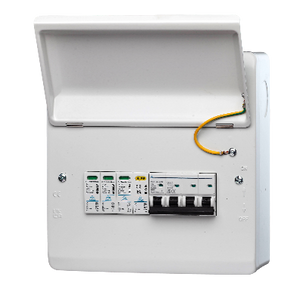
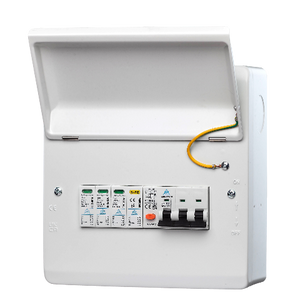
RCBO + Surge Protection – Fitted Consumer Unit IP40 – 3 Phase
Regular price From £65.00Regular price -


3-Phase PME PEN Fault Protection – 40A RCBO + Surge | Single EV Charger | BS7671 Compliant
Regular price From £65.00Regular price -
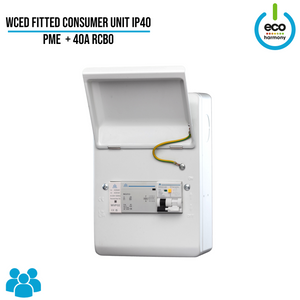
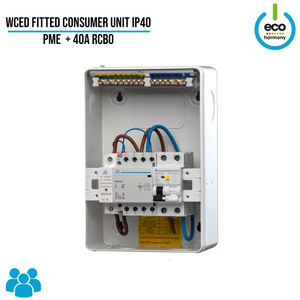
Fitted Consumer Unit IP40 – PME + 40A RCBO (Surge Protection + kWh Meter + Load Balancing Options Available)
Regular price From £80.00Regular price -
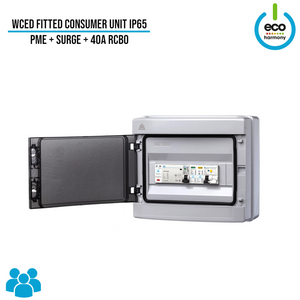
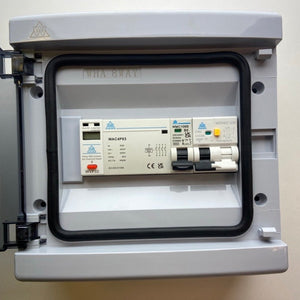
PEN Fault Detection + Surge Protection Device
Regular price From £77.50Regular price -
Save £2.50
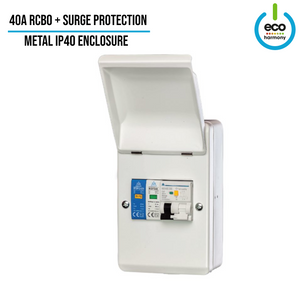
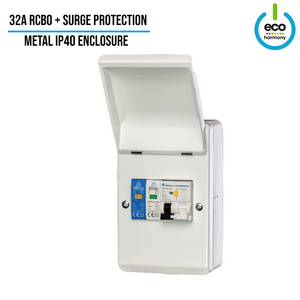
RCBO + Surge Protection Fitted Consumer Unit (IP30 / Indoor Use)
Regular price £32.50Regular price£35.00-£2.50 Sale price £32.50 -
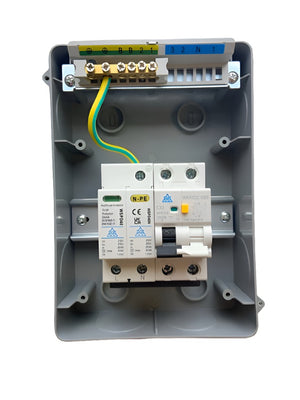
IP65 Consumer Unit with RCBO + Type 2 Surge Protection
Regular price £33.50Regular price£26.00Sale price £33.50


-


Simpson & Partners Cable Hook – Keep Your Charger Tidy & Stylish
Regular price £60.00Regular price -
Save £30.00


Home Series 7kW EV Charger – Type 2 Socket
Regular price From £550.00Regular price£580.00-£30.00 Sale price From £550.00 -


Home Series 7 kW Home EV Charger, Type 2 Tethered
Regular price From £620.00Regular price -


Free Colour Sample Card – Simpson & Partners EV Chargers
Regular price £0.00Regular price -
Sold out


Simpson & Partners Wireless Energy Manager – Smarter, Safer Charging
Regular price From £95.00Regular price


