Expert Q&A on PME & Surge Protection

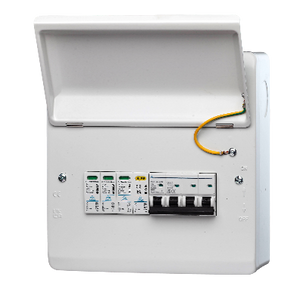
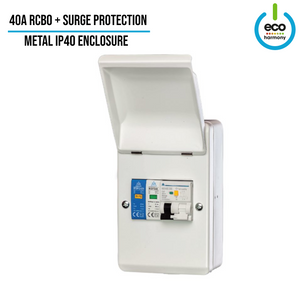
At Eco Harmony, we offer WCED-branded surge and PME protection products for single and three-phase EV chargers. Below, we answer the most common questions installers, electricians, and homeowners have about selecting, installing, and maintaining these devices, helping you ensure safe and reliable EV charging.

About WCED Products

Learn what WCED products are and why they are important for protecting EV chargers and installations.

Collapsible content

What are WCED products?

WCED products are high-quality surge and PME protection devices designed for EV chargers. They safeguard your charger and electrical installation from faults, voltage spikes, and earth issues.

Why should I use WCED products for my EV charger?

Using WCED products reduces the risk of equipment damage, fire hazards, and electric shock. They are designed for both single and three-phase installations and simplify safe EV charger integration.

Can WCED products be used in residential and commercial setups?

Yes. WCED surge and PME units are suitable for homes, workplaces, and multi-charger sites, providing scalable protection for different setups.

How do WCED products improve EV charger safety?

WCED PME units monitor neutral and earth connections, while surge units protect against voltage spikes. Together, they ensure continuous safe operation of your EV charger.

Are WCED products compatible with all EV chargers?

WCED products are compatible with most UK single and three-phase chargers. Check the current rating and phase type for correct installation.

PME Protection

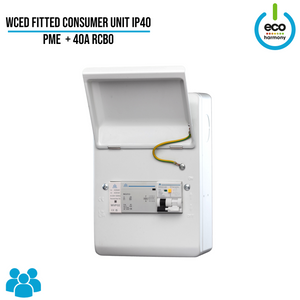
WCED PME protection units monitor earth and neutral connections to protect EV chargers and connected equipment. This section answers questions about how PME works, why it’s important, and how WCED PME products simplify safe installations.

Collapsible content

What is PME protection and why is it needed for EV chargers?

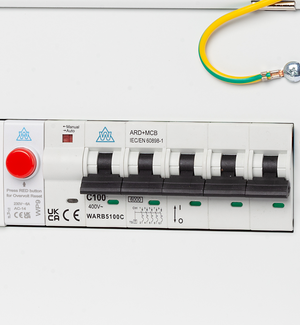
PME (Protective Multiple Earthing) protection detects faults in the neutral or earth wiring. WCED PME units quickly disconnect the supply during a fault, preventing electric shocks, equipment damage, or fire hazards.

Do all EV chargers need PME protection?

Only when the supply is PME and the charger doesn’t have built-in fault detection. WCED PME units provide standalone protection to cover these installations.

Can I install WCED PME protection myself?

PME protection should always be installed by a certified electrician. Incorrect installation can create serious safety risks.

How does PME protection work with three-phase EV chargers?

Three-phase chargers carry higher current and more complex wiring. WCED PME units monitor all phases and disconnect the supply instantly during faults, ensuring full system protection.

How do I maintain WCED PME units?

Regular checks include LED indicator status, trip logs, and physical inspection. WCED PME units are designed for easy maintenance with clear test points and visual indicators.

Surge Protection

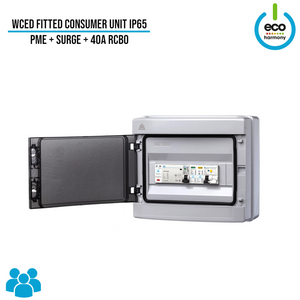
Voltage spikes can damage EV chargers or create fire hazards. WCED surge protection devices safeguard equipment and installations. This section covers why surge protection is needed, installation locations, and choosing the right device.

Collapsible content

Why do EV chargers need surge protection?

EV chargers contain sensitive electronics that can be damaged by lightning strikes or grid voltage spikes. WCED surge protection units comply with BS7671 standards and protect your charger and property.

Where should WCED surge protection be installed?

Surge protection is best installed at the origin of the EV supply circuit, typically on the distribution board. For three-phase setups, WCED units protect all phases simultaneously.

How do I choose the right WCED surge protection unit?

Consider current rating, number of phases, and whether PME protection is also needed. WCED offers devices suitable for both single and three-phase chargers, often combined with RCBOs for added safety.

What is the difference between Type 1 and Type 2 surge protection?

Type 1 protects against direct lightning strikes, Type 2 protects against transient surges. WCED units are typically Type 2, ideal for home and commercial EV installations.

Can WCED surge protection prevent damage from power fluctuations?

Surge units protect against spikes but not prolonged low-voltage brownouts. Combining WCED surge devices with proper RCBOs ensures overall protection and reliability.

Three-Phase & Distribution Boards

Three-phase EV installations require dedicated distribution boards. WCED boards integrate surge and PME protection, simplifying compliance and safety. This section answers questions about selection, installation, and maintenance of three-phase boards.

Collapsible content

What is a three-phase distribution board for EV charging?

It distributes power safely across multiple chargers or high-current EV installations. WCED three-phase boards include integrated PME and surge protection, ensuring reliable operation.

How do I choose the right WCED three-phase board?

Consider total current rating, number of circuits, and compatibility with surge/PME devices. WCED boards are pre-configured for EV installations, simplifying setup.

Can I connect multiple chargers to a single WCED board?

Yes, if the board’s combined current rating supports the load. WCED boards are designed to safely handle multiple chargers with integrated circuit protection.

How do I maintain WCED three-phase boards?

Periodic checks include loose connections, trip status, LED indicators, and physical inspection. WCED boards are built for easy maintenance and monitoring.

Can WCED surge protection prevent damage from power fluctuations?

Surge units protect against spikes but not prolonged low-voltage brownouts. Combining WCED surge devices with proper RCBOs ensures overall protection and reliability.

Installation & Compliance


Proper installation and maintenance of WCED products ensure safety and regulatory compliance. This section answers practical questions on installation, maintenance, and legal requirements.

Collapsible content

Are WCED products compliant with UK electrical regulations?

Yes. WCED products are designed to meet BS7671 Wiring Regulations, helping you ensure your EV installation is safe and legally compliant.

Do I need a certified electrician to install WCED products?

Absolutely. Correct installation is essential for safety and compliance, especially for PME units, surge devices, and three-phase boards.

How do I maintain WCED protection devices?

Inspect devices for LED indicators, trip logs, and physical wear. WCED units include accessible test points to simplify maintenance.

How often should WCED products be tested?

Annually or after major electrical work to ensure PME and surge protection operate correctly and your EV charging setup remains safe.

Can WCED products simplify installation and compliance?

Yes. Pre-rated surge, PME, and distribution boards from WCED reduce complexity, speed up installation, and make compliance straightforward.

Advanced WCED Setup & Troubleshooting

Beyond basic installation, installers often face complex scenarios: combining PME and surge protection, integrating multiple chargers, and diagnosing unusual faults. This section answers advanced questions about WCED products, helping professionals and experienced users safely optimize their EV charging systems.

Collapsible content

How do I configure a WCED PME and surge protection unit for multiple chargers on a single board?

When connecting multiple chargers to one distribution board, use a WCED three-phase board with integrated PME and surge units. Each circuit should have its own RCBO for individual protection, and the PME unit should monitor all phases simultaneously. Eco Harmony WCED boards are pre-configured to simplify this setup and prevent overloading or false trips.

What should I do if the PME unit keeps tripping intermittently?

Intermittent tripping can indicate neutral faults, earth loops, or overloaded circuits. First, check all connections for proper bonding. Then, verify that the load matches the PME unit rating. WCED units include clear trip logs and LED indicators to diagnose the fault source before considering replacement.

Can I combine WCED surge protection with third-party PME devices?

Yes, but compatibility is key. Ensure the surge unit’s voltage and current ratings match the PME unit and that the board configuration doesn’t introduce ground loops. Eco Harmony recommends using integrated WCED PME + surge units to minimize installation complexity and ensure full system protection.

How do I troubleshoot a WCED surge unit that shows repeated fault indicators after lightning?

Repeated fault indications often mean the unit absorbed multiple transient spikes. Inspect the unit for visual damage, test points, or blown components. Most WCED surge units are replaceable modules, allowing quick swaps without rewiring the entire board.

Are there best practices for using WCED devices in high-density EV charging hubs?

Yes. Key practices include:

  • Use three-phase WCED boards for balanced load distribution.
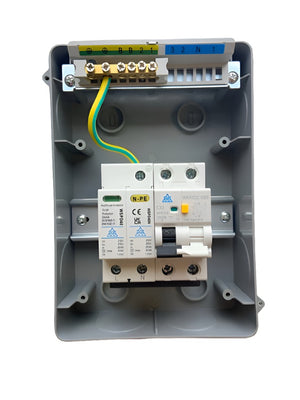
  • Combine surge and PME protection in a single enclosure for easier maintenance.
  • Ensure RCBOs or MCCBs are rated correctly per charger.
  • Periodically inspect LED indicators and test points to prevent downtime.

Product information