
Solar Combiner Boxes Explained
Solar PV Combiner Boxes Explained
A combiner box brings the DC strings from the array together in one enclosure, with the isolation and protection a PV installation needs on the DC side.
Quick answer
A combiner box gives one place to isolate and protect the DC side of a solar PV system: a DC isolator and DC-rated surge protection, in a weatherproof enclosure. It is not a substitute for protection on the AC side of the inverter.
What is inside
| Component | Purpose | Standard |
|---|---|---|
| DC isolator | Isolates the string(s) from the inverter for maintenance and emergencies | BS EN IEC 60947-3 |
| DC SPD | Protects against surges on the DC side | BS EN 61643-31 |
| Weatherproof enclosure | Houses and protects the components outdoors | Rated for the location |
Some combiner boxes also include string fuses or other protection depending on the design, so check the specification against the system.
Why use one
A purpose-built combiner box means the DC isolator and DC surge protection arrive as a tested assembly in a suitable enclosure, rather than being assembled from separate parts. BS 7671 Section 712 covers solar PV installations and sets the requirements for DC isolation. See DC surge protection for solar for how the SPD works and why it must be DC-rated.
Do not forget the AC side
The inverter’s AC side needs its own protection and an AC Type 2 SPD. See surge protection for solar and heat pumps.
Frequently asked questions
How many strings does a combiner box handle?
The WCED 1000V unit is a dual-string design. Check the specification for the string count you need.
Do I need a combiner box for a single string?
Not necessarily, but you still need DC isolation and DC surge protection, and a combiner box provides both in one enclosure.
Can I mount a combiner box outdoors?
Choose a unit with an enclosure rating suited to the location, and install glands and seals correctly.
Related guides
Not sure what your install needs?
Use the Product Finder →-
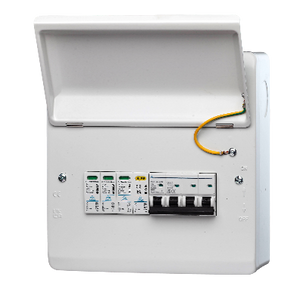
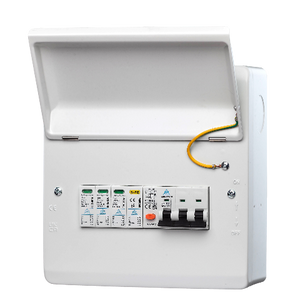
RCBO + Surge Protection – Fitted Consumer Unit IP40 – 3 Phase
Regular price From £65.00Regular price -


3-Phase PME PEN Fault Protection – 40A RCBO + Surge | Single EV Charger | BS7671 Compliant
Regular price From £65.00Regular price -
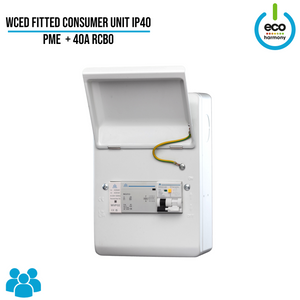
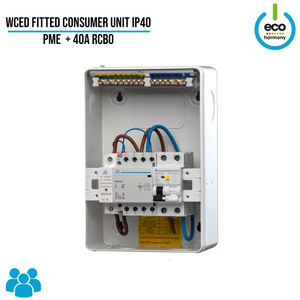
Fitted Consumer Unit IP40 – PME + 40A RCBO (Surge Protection + kWh Meter + Load Balancing Options Available)
Regular price From £80.00Regular price -
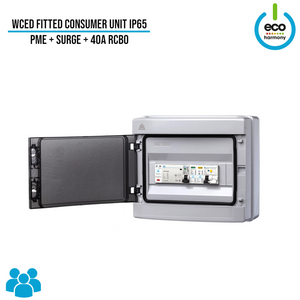
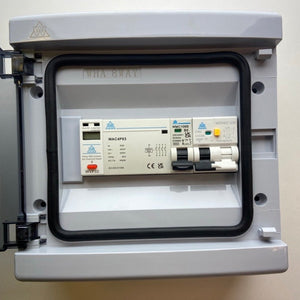
PEN Fault Detection + Surge Protection Device
Regular price From £77.50Regular price -
Save £2.50
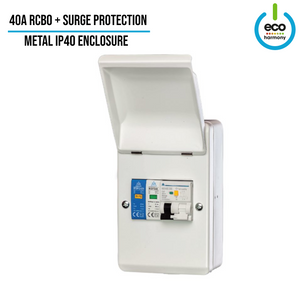
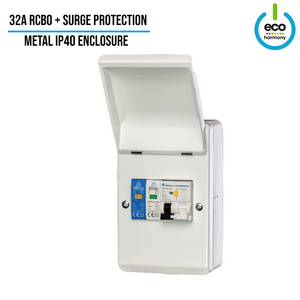
RCBO + Surge Protection Fitted Consumer Unit (IP30 / Indoor Use)
Regular price £32.50Regular price£35.00-£2.50 Sale price £32.50 -
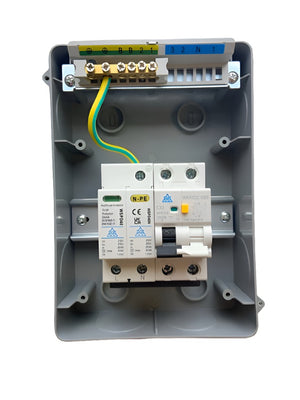
IP65 Consumer Unit with RCBO + Type 2 Surge Protection
Regular price £33.50Regular price£26.00Sale price £33.50


-


Simpson & Partners Cable Hook – Keep Your Charger Tidy & Stylish
Regular price £60.00Regular price -
Save £30.00


Home Series 7kW EV Charger – Type 2 Socket
Regular price From £550.00Regular price£580.00-£30.00 Sale price From £550.00 -


Home Series 7 kW Home EV Charger, Type 2 Tethered
Regular price From £620.00Regular price -


Free Colour Sample Card – Simpson & Partners EV Chargers
Regular price £0.00Regular price -
Sold out


Simpson & Partners Wireless Energy Manager – Smarter, Safer Charging
Regular price From £95.00Regular price


