
4-Pole vs 2-Pole RCDs for 3-Phase Installations
4-Pole vs 2-Pole RCDs for 3-Phase
Pole count and RCD type (A, B, F) are two separate decisions. Get the pole count wrong and the device simply won’t fit the circuit; get the type wrong and the protection has a gap you won’t notice until it matters.
Quick answer
A 2-pole device switches live and neutral, for a single-phase circuit. A 4-pole device switches all three phases and neutral, for a three-phase circuit. You cannot protect a three-phase circuit with a 2-pole device.
What the pole count means
| 2-pole | 4-pole | |
|---|---|---|
| Conductors switched | Live and neutral | L1, L2, L3 and neutral |
| Supply type | Single-phase, 230V | Three-phase, 400V |
| Typical use | Domestic circuits, single-phase EV chargers, single-phase consumer units | TPN distribution boards, three-phase EV chargers (11kW/22kW), commercial supplies |
Why every phase has to be switched together
On a three-phase circuit, a fault or an earth leakage event can affect the balance across any of the three phases. If an RCD only monitored and switched one or two of them, a fault on the unmonitored phase could go undetected, or the circuit could be left partially live after a trip. A 4-pole device disconnects all three phases and the neutral together, so the whole circuit is isolated on a trip and every phase is monitored.
This is a separate question from RCD type. A three-phase EV charger still needs the Type A vs Type B decision covered in What is a Type B RCD?, on top of needing a 4-pole device rather than a 2-pole one.
Where you’ll meet each
Single-phase domestic consumer units and 7kW single-phase EV chargers use 2-pole RCBOs. TPN distribution boards and 11kW/22kW three-phase EV installations need 4-pole devices throughout, both for the main switch and for any RCD or RCBO protecting the charger circuit.
Frequently asked questions
Can I use two 2-pole devices instead of one 4-pole device on a three-phase circuit?
No. A three-phase circuit needs a single device that switches all three phases and the neutral together, so that a trip isolates the whole circuit and every phase is monitored for imbalance. Two separate 2-pole devices don’t achieve this.
Does a 4-pole device cost significantly more than a 2-pole one?
Yes, a 4-pole device costs more than a 2-pole one of the same type and rating, reflecting the additional poles and switching mechanism. It is a mandatory requirement for three-phase circuits rather than an optional upgrade.
If my home has a three-phase supply, does everything need 4-pole devices?
The main incomer and any genuinely three-phase loads (such as a 22kW EV charger) need 4-pole protection. Individual single-phase circuits fed from that supply, such as lighting or sockets on one phase, still use standard 2-pole devices.
Related guides
Not sure what your install needs?
Use the Product Finder →-
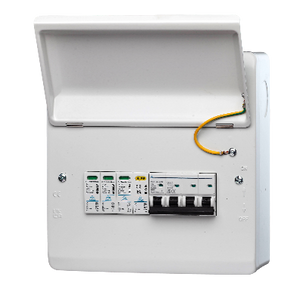
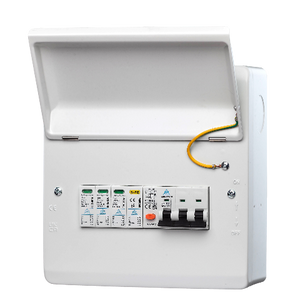
RCBO + Surge Protection – Fitted Consumer Unit IP40 – 3 Phase
Regular price From £65.00Regular price -


3-Phase PME PEN Fault Protection – 40A RCBO + Surge | Single EV Charger | BS7671 Compliant
Regular price From £65.00Regular price -
Fitted Consumer Unit IP40 – PME + 40A RCBO (Surge Protection + kWh Meter + Load Balancing Options Available)
Regular price From £80.00Regular price -
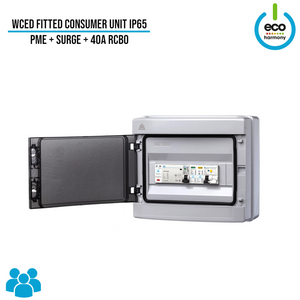
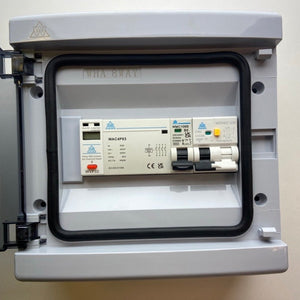
PEN Fault Detection + Surge Protection Device
Regular price From £77.50Regular price -
Save £2.50
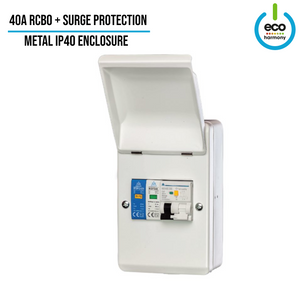
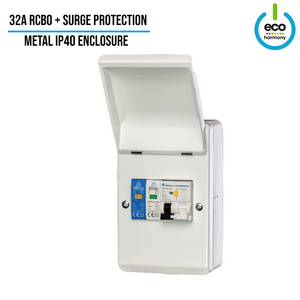
RCBO + Surge Protection Fitted Consumer Unit (IP30 / Indoor Use)
Regular price £32.50Regular price£35.00-£2.50 Sale price £32.50 -
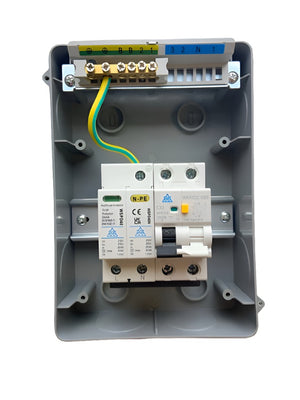
IP65 Consumer Unit with RCBO + Type 2 Surge Protection
Regular price £33.50Regular price£26.00Sale price £33.50


-


Simpson & Partners Cable Hook – Keep Your Charger Tidy & Stylish
Regular price £60.00Regular price -
Save £30.00


Home Series 7kW EV Charger – Type 2 Socket
Regular price From £550.00Regular price£580.00-£30.00 Sale price From £550.00 -


Home Series 7 kW Home EV Charger, Type 2 Tethered
Regular price From £620.00Regular price -


Free Colour Sample Card – Simpson & Partners EV Chargers
Regular price £0.00Regular price -
Sold out


Simpson & Partners Wireless Energy Manager – Smarter, Safer Charging
Regular price From £95.00Regular price


