
Surge Protection for EV Chargers — UK Guide
Surge Protection for EV Chargers
An EV charger is expensive, sensitive electronics, often mounted outdoors on a long cable run. That is exactly the profile surge protection exists for.
Quick answer
Fit a Type 2 SPD at the consumer unit or EV distribution board feeding the charger, close to the incoming supply with short connection leads. BS 7671 requires the need for surge protection to be assessed on every installation, and an EV charger makes the answer very hard to justify as no. See Do I need surge protection? for the assessment itself.
Why EV circuits are exposed
A charger combines power electronics, communications and a long outdoor supply cable. Surges from nearby lightning or grid switching can arrive through that cable, and the charger’s control board is far more vulnerable than a simple appliance. A failed charger is also a high-value, and often warranty-sensitive, replacement.
Surges can also be generated inside the property by motors and compressors switching on and off, which is why protection is worthwhile even where the supply is underground.
Where the SPD goes
| Installation | Typical SPD arrangement |
|---|---|
| Charger fed from the main consumer unit | Type 2 SPD in or beside the consumer unit |
| Charger on a dedicated EV sub-board or protection unit | Type 2 SPD in that unit, close to the incoming supply |
| Building with a lightning protection system or overhead supply | Type 1+2, see Type 1 vs Type 2 vs Type 1+2 |
Whichever arrangement you use, the lead length rules still apply. See how to install an SPD.
How it fits with PEN fault protection and RCBOs
On a PME supply, an EV circuit typically needs three separate protective functions: PEN fault detection, an RCBO, and surge protection. They protect against different things and none replaces another. Many products combine all three in one enclosure to save wiring, see PME protection devices.
Frequently asked questions
Does my EV charger already have surge protection built in?
Some chargers include limited internal protection, but this is not a substitute for an SPD at the consumer unit, and manufacturers differ. Check the charger documentation, and treat the SPD at the board as the primary protection.
Does an underground supply mean I can skip surge protection?
No. Underground cables reduce the risk of direct strikes but do not remove indirect and switching surges, or surges generated inside the building.
Is surge protection a warranty requirement?
That varies by manufacturer, so check the charger’s installation documentation. Either way, recording the surge protection assessment on the certificate is good practice.
Related guides
Not sure what your install needs?
Use the Product Finder →-
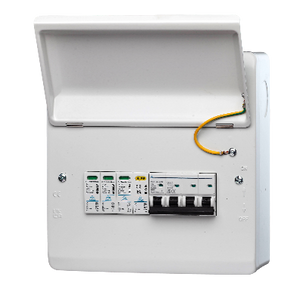
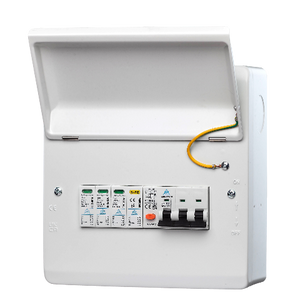
RCBO + Surge Protection – Fitted Consumer Unit IP40 – 3 Phase
Regular price From £65.00Regular price -


3-Phase PME PEN Fault Protection – 40A RCBO + Surge | Single EV Charger | BS7671 Compliant
Regular price From £65.00Regular price -
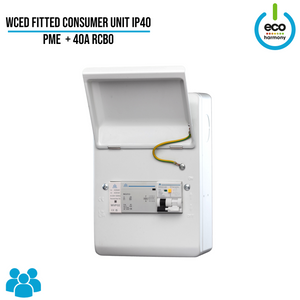
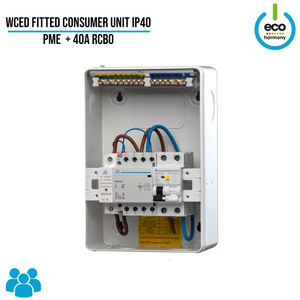
Fitted Consumer Unit IP40 – PME + 40A RCBO (Surge Protection + kWh Meter + Load Balancing Options Available)
Regular price From £80.00Regular price -
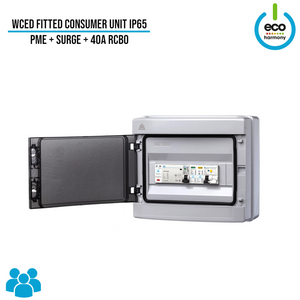
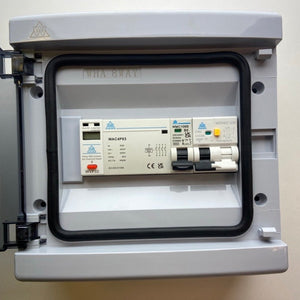
PEN Fault Detection + Surge Protection Device
Regular price From £77.50Regular price -
Save £2.50
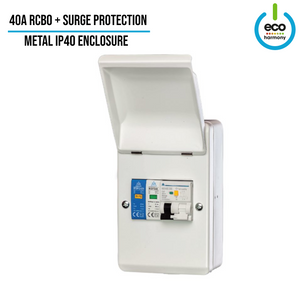
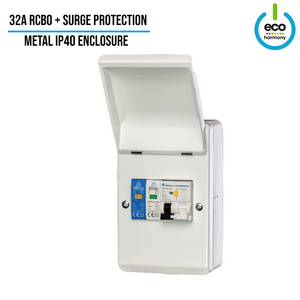
RCBO + Surge Protection Fitted Consumer Unit (IP30 / Indoor Use)
Regular price £32.50Regular price£35.00-£2.50 Sale price £32.50 -
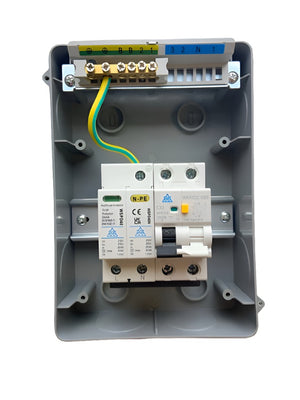
IP65 Consumer Unit with RCBO + Type 2 Surge Protection
Regular price £33.50Regular price£26.00Sale price £33.50


-


Simpson & Partners Cable Hook – Keep Your Charger Tidy & Stylish
Regular price £60.00Regular price -
Save £30.00


Home Series 7kW EV Charger – Type 2 Socket
Regular price From £550.00Regular price£580.00-£30.00 Sale price From £550.00 -


Home Series 7 kW Home EV Charger, Type 2 Tethered
Regular price From £620.00Regular price -


Free Colour Sample Card – Simpson & Partners EV Chargers
Regular price £0.00Regular price -
Sold out


Simpson & Partners Wireless Energy Manager – Smarter, Safer Charging
Regular price From £95.00Regular price


